

Best Pediatric Surgeon in Bangalore
30 Years of Clinical Practice
Kshema Pediatrix is an exclusive centre for Pediatric Super-specialists offering state of the art professional healthcare in an ethical manner with a humane touch.
The team is headed by Dr. Ramesh Santhanakrishnan, senior Pediatric Surgeon with nearly 30 years of clinical Practice in Bangalore. Kshema has been offering such services in the field of Pediatric Surgery since 1996. We relentlessly pursue our passion for excellence.
Services Offered
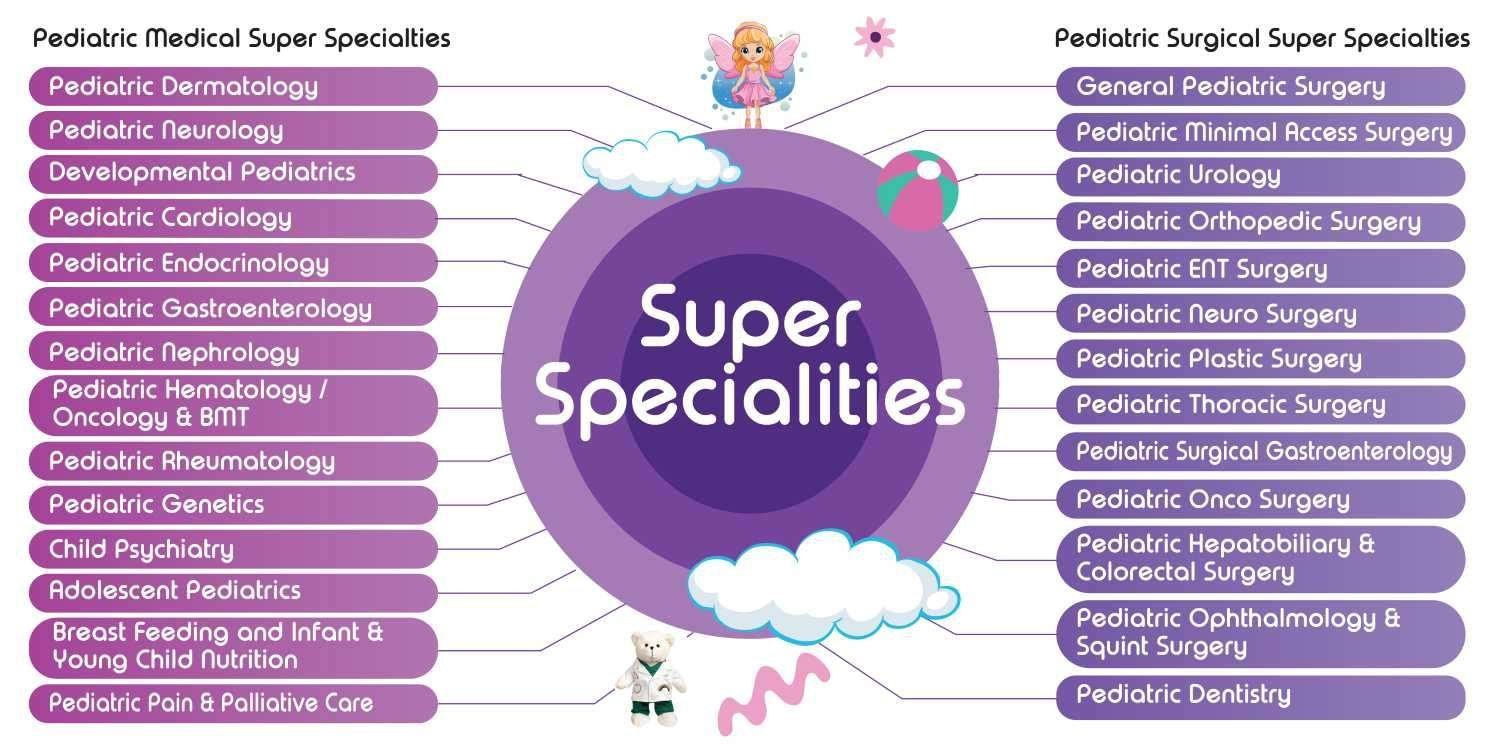
Pediatric Surgical Super Specialties
General Pediatric Surgery
Advanced Minimal Access Surgery
Pediatric Urology
Pediatric ENT Surgery
Pediatric Orthopaedic Surgery
Pediatric Onco-Surgery
Hepato-Biliary and Colorectal Surgery
Pediatric Thoracic Surgery
Pediatric Neurosurgery
Pediatric Plastic Surgery
Pediatric Dentistry
Antenatal Counselling

Services Offered
Pediatric Medical Super Specialities
- Pediatric Neurology
- Developmental Pediatrics
- Pediatric Endocrinology
- Pediatric Gastroenterology
- Pediatric Infectious Diseases
- Pediatric Nephrology
- Pediatric Pulmonology
- Pediatric Dermatology
- Pediatric Genetics
- Pediatric Hemato-Oncology
- Pediatric Rheumatology
- Child Psychiatry
Easier And Friendlier
Healthcare For Your Children
Vision
To become the leading brand of Speciality Pediatric Services in the city of Bangalore and to elevate the level of scientific practice to the level of state of the art in an ethical manner with a humane touch.
Mission
Providing advanced Pediatric Surgical and Medical specialties in an ethical and humane manner at affordable rates and to set standards in providing state of the art surgical and medical services.

Our Doctors
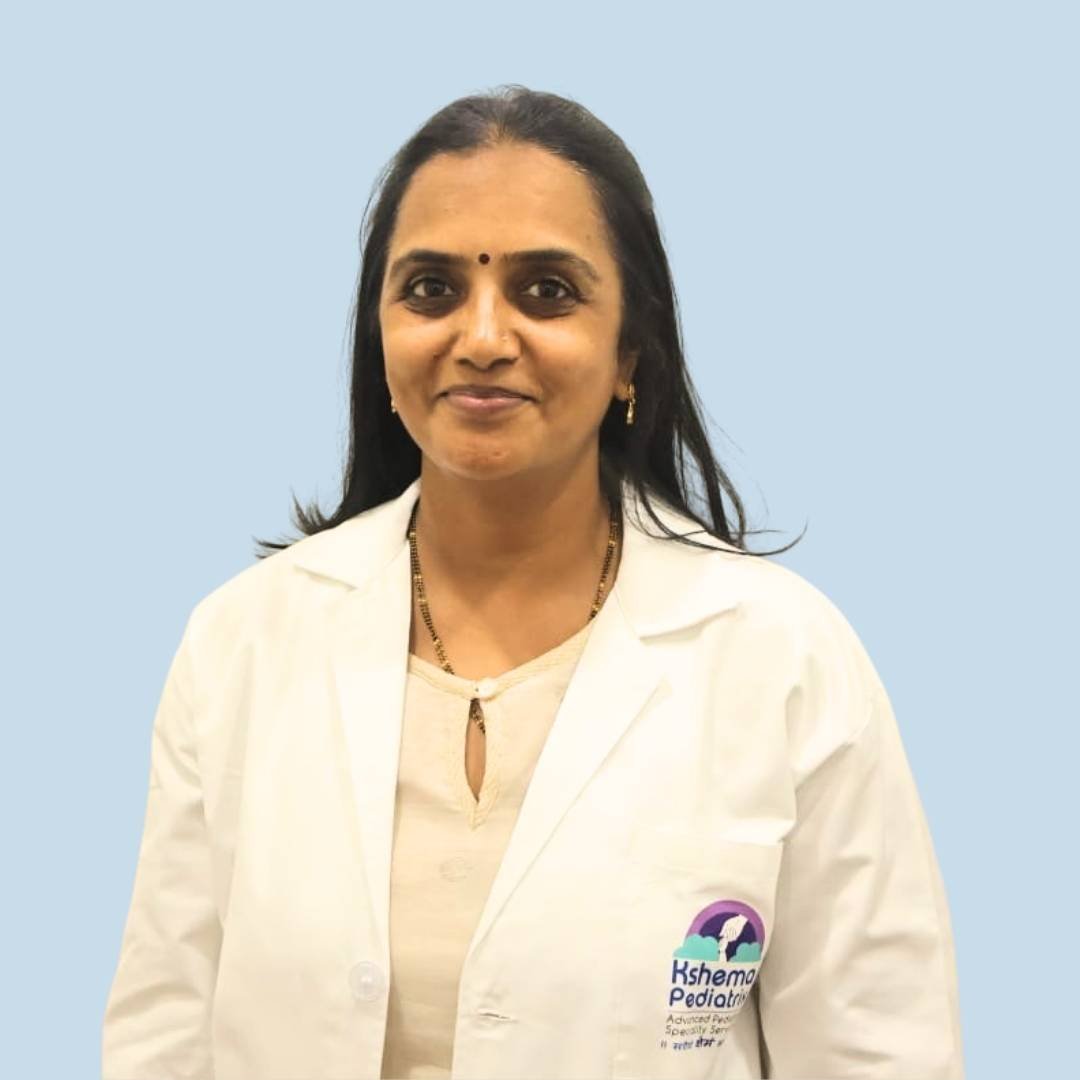
Dr. Ramesh Santhanakrishnan
Director & Chief Pediatric Surgeon
Dr. Ramesh Santhanakrishnan is a highly experienced Pediatric Surgeon and has been in the field for over 30 years. He is a pioneer in Pediatric Minimal Access Surgery and was in the forefront in the establishment of Pediatric MAS in the country. He has conducted several national and international Workshops on Pediatric Minimal Access Surgery and has trained over 300 pediatric surgeons in the art and science of Pediatric MAS. He has been an invited speaker and operating faculty in several national and international scientific meetings and live operative workshops.

























Book a Call
Online and Offline Consultation
You can consult with our doctors in the online or offline mode by scheduling an appointment over the Calendly appointment scheduler given below or over a phone call or over the chat window or WhatsApp messenger. You may also write to us specifying your child’s condition and the current status in the contact form, and the staff of our clinic will get in touch with you.

What Our Little Patients Say
“You’re the nicest doctor ever! Can you be my doctor forever?”
EXCELLENTTrustindex verifies that the original source of the review is Google. We sincerely appreciate Dr.Ramesh S for the exceptional care provided to our son he is just 4 months old. He performed a laparoscopic pyeloplasty surgery with great precision and expertise. From the first consultation, Dr. Ramesh explained the condition clearly and patiently. His confidence and calm approach gave us immense reassurance as parents. The surgery was handled very smoothly and professionally. Post-surgery recovery was faster than we expected. Dr. Ramesh closely monitored our son’s progress at every stage. He was always available to answer our questions and concerns. His kindness and compassionate nature truly stand out. We felt our son was in very safe hands throughout the treatment. The hospital care and coordination under his guidance were excellent. He ensured minimal discomfort and maximum care for our child. The laparoscopic approach helped in quicker healing. We are extremely grateful for his dedication and commitment. Dr. Ramesh’s expertise made a difficult situation much easier for us. Our son is now healthy and doing very well. We deeply respect his professionalism and medical knowledge. He is truly a blessing for families like ours. We thank him from the bottom of our hearts. We highly recommend Dr. Ramesh to anyone in need of expect care.Posted onTrustindex verifies that the original source of the review is Google. Wonderful doctor... Makes children very comfortable with the treatment.... My son had a successful surgeryPosted onTrustindex verifies that the original source of the review is Google. Great surgeon, very courteous. Made my kid so comfortable. My son had a successful surgery. Thank your Dr Ramesh Sir.Posted onTrustindex verifies that the original source of the review is Google. Good treatmentPosted onTrustindex verifies that the original source of the review is Google. Dr. Ramesh is doing a great service to all kids from Kshema Pediatrix. His approach to kids and the way he handles parents is amazing. Just the looks of the doctor makes you feel better and he doesn't need my recommendation as he is one of the best in the surgery business. I hope others makes th best use of his service 🙏Posted onTrustindex verifies that the original source of the review is Google. Best haematologists,dr Vandana Bharadwaj who is very polite in explaining the issue and provides solutions.Posted onTrustindex verifies that the original source of the review is Google. Very good
Had visited Dr Ramesh S regarding orchidopexy usrgery for my son. We were late to realise the situation and were very scared after learning that our son would need to undergo a surgery. Dr Ramesh explained us everything in detail with a lot of patience and reassured us that it is a small procedure and there is nothing do be scared of and our son would be playing as usual next day after surgery.
Sure enough our son has no issues. Thanks to Dr Ramesh S
Would recommend to whoever has similar issues

Mahesh Kumar Patil
I am extremely grateful to Dr. Ramesh at Kshema Paediatrix for his expertise and care.Dr. Ramesh is compassionate, approachable, and genuinely cares about his little patients.
Kshema Paediatrix is a very child-friendly place, thoughtfully designed with kids in mind. The clinic is filled with toys and play areas that help children feel comfortable and less anxious. It is well-maintained, hygienic, and always kept neat, creating a safe and welcoming environment for both children and parents.
I highly recommend Dr. Ramesh for anyone seeking an expert paediatric in bangalore.

Karthika Surjith
We are extremely grateful to Dr. Ramesh at Kshema Pediatrix for the exceptional care and guidance he provided for our 4-month-old baby, who was diagnosed with a prominent renal pelvis. From the very first consultation, Dr. Ramesh was thorough, compassionate, and reassuring. He explained the condition clearly, patiently answered all our questions, and provided a well-structured plan for monitoring and management.
His calm demeanor and empathetic approach truly eased our worries during a stressful time. The follow-up care has been excellent, and we feel supported and confident knowing our baby is in such capable hands. We highly recommend Dr. Ramesh and the team at Kshema Pediatrix to any parent looking for expert and compassionate pediatric care.

Nisarga R
Fill the Form below to get in Touch
Blogs
News, Articles & Videos About Kshema Pediatrix

Opening Hours
| Monday | 9 am–9 pm |
| Tuesday | 9 am–9 pm |
| Wednesday | 9 am–9 pm |
| Thursday | 9 am–9 pm |
| Friday | 9 am–9 pm |
| Saturday | 9 am–1 pm |
| Sunday | Closed |
Important Note: Consultation with appointment
Address
#110, 1st Floor, 560019, Bull Temple Road Hanumanthnagar, Banashankari 1st Stage, Bengaluru, Karnataka 560050
Phone
Phone/WhatsApp: +91 7204261631
Phone: +91 9019161631
kshemapediatrix@gmail.com
FAQs
What does a pediatric surgeon treat?
A pediatric surgeon treats surgical conditions in newborns, infants, children, and adolescents. This includes hernias, appendicitis, congenital birth defects, tumors, gastrointestinal issues, urological conditions, and emergency surgeries.
When should I consult a pediatric surgeon in Bangalore?
You should consult a pediatric surgeon if your child has a condition requiring surgery, such as persistent abdominal pain, swelling, hernia, undescended testicles, birth defects, or if your pediatrician recommends surgical evaluation.
Is pediatric surgery safe for children?
Yes. Pediatric surgery is safe when performed by trained pediatric surgeons using child-specific techniques and pediatric anesthesia. Children generally heal faster and recover well with proper post-operative care.
What is the difference between a pediatric surgeon and a general surgeon?
Pediatric surgeons are specially trained to operate on children, whose anatomy, growth patterns, and healing processes are very different from adults. This specialized training ensures safer procedures and better outcomes for children.
How should parents prepare a child for surgery?
Parents should explain the procedure in simple, age-appropriate language, follow fasting and medication instructions, bring comfort items to the hospital, and reassure the child emotionally before and after surgery.
How long does recovery take after pediatric surgery?
Recovery depends on the type of surgery. Minor procedures may require a few days, while more complex surgeries may take weeks. Pediatric surgeons provide detailed recovery plans and follow-up care instructions.
Gratitude from the Team Kshema
At Kshema Pediatrix, we’re delighted to welcome new families and continue caring for our valued patients! Our team is dedicated to providing exceptional care for every child who walks through our doors.
Best Pediatric Surgeon in Bangalore — How to Choose, Costs & Questions to Ask
Selecting the right pediatric surgeon in Bangalore is a mix of clinical skills, hospital backing, and, most importantly, ease of communication to suit your child’s requirements. There are plenty of paediatric surgeons in Bangalore (MCh-, DNB-, and fellowship-trained) who have tie-ups with leading NABH/JCI-accredited hospitals and dedicated children’s centres.
On-time, safe care in pediatric surgery often depends on hospital infrastructure: availability of NICU and paediatric/neonatal ICU beds, blood banking services, and cross-functional teams trained to operate on children, as well as child-friendly wards, which reduce complications and psychological stressors for both parents and patients. In an emergency, know where the nearest pediatric surgical service is located and keep its phone numbers handy. Parents should also consider the surgeon’s reputation, including peer recommendations, patient testimonials, and, if available, recorded surgical outcomes. Finally, make sure explicit informed consent is a priority: the surgeon should spell out the risks, benefits, and alternatives without pressuring the patient to decide on the spot. With intelligent choices, Bangalore’s paediatric surgical services can provide the best care without travelling too far.
Read More
How to select a Pediatric Surgeon in Bangalore
Knowing when to see a pediatric surgeon vs. a paediatrician or a paediatrician with surgical referral
Paediatrician vs pediatric surgeon: A Paediatrician surgeon treats general health concerns in children, medical conditions, and growth and development. A pediatric surgeon is a subspecialist with the experience to treat surgical and structural diseases in early life, from the fetal and newborn period through childhood to late adolescence.
When to admit and to whom?: Emergency conditions (acute abdomen, intestinal obstruction, severe trauma, bleeding, acute scrotum), neonatal congenital anomalies (tracheoesophageal fistula; congenital diaphragmatic hernia; anorectal malformation) and tropical diseases that are not responding well to medical treatment, like TB in abdominal lymph nodes? It should be referred urgently to a surgeon for evaluation.
Paediatrician with referral: Many elective issues (mild undescended testis, recurrent UTIs, suspected hernia) can be initially worked up by a paediatrician and then referred to a paediatric surgeon. If the condition is urgent or life‑threatening, call an ambulance to the nearest pediatric emergency service.
Pediatric surgical conditions treated (congenital, emergent, and elective)
Congenital: TE fistula, CDH, anorectal malformations, and neural tube defects that need neurosurgery co-management.
Acute: Appendicitis, bowel obstructions, Intussusceptions needing reduction/surgery, traumatic injuries, torsion of the Testis (Rotation of the spermatic cord), perforations.
Optional surgery: Inguinal and umbilical hernia repairs, hydrocele, circumcision, hypospadias repair, children’s urology reconstructions (pyeloplasty), congenital orthopaedic corrections (clubfoot) and benign tumour excisions.
Oncology: Surgical resection within the spectrum of multidisciplinary paediatric oncology (Wilms’ tumour, neuroblastoma, soft tissue sarcomas).
Key qualifications and credentials to check (MCh, DNB, fellowship, experience)
Core qualifications: MCh (Master of Chirurgiae) in Pediatric Surgery or DNB Pediatric Surgery; these indicate specialist training. There are a few MS (General Surgery) and Paediatric fellowship surgeons as well.
Fellowships and subspecialty training: Fellowships such as neonatal surgery, pediatric urology, minimally invasive surgery, or pediatric oncology offer specialised expertise.
Experience: Seek years of hands-on practice in pediatric surgery, including how many surgeries have been performed for the particular procedure and experience treating neonatal emergencies.
Other indicators, such as academic position, teaching activities, invited lectures, and association memberships (e.g., IAPS – Indian Association of Pediatric Surgeons), demonstrate engagement and peer recognition.
Subspecialties to seek (neonatal surgery, pediatric urology, pediatric oncology, minimally invasive laparoscopic)
Neonatal surgeon: Needed for neonate congenital anomalies or sick newborns, exposure to NICU and neonatal anaesthesia.
Pediatric urologist: The most appropriate sub-speciality if you want to focus on reconstructive urology (hypospadias, posterior urethral valves, pyeloplasty)
Pediatric oncologic surgeon: Treats patients in a multidisciplinary setting for childhood cancers; understanding of oncologic margins and the principles of reconstruction is mandatory.
Minimally invasive pediatric surgeon: Laparoscopic and thoracoscopic skills decrease pain, shorten hospital stay and frequently enhance cosmetic results — beneficial for appendectomies, cholecystectomies, hernia repairs and fundoplication.
Hospital affiliation and NICU/PICU capabilities
NICU & PICU: Tertiary Care (NICU Level III/IV ) denotes advanced neonatal care, Ventilation and specialised nursing. PICU with paediatric intensivists is essential for complex postoperative care.
Blood bank & transfusion services: Out-of-hours blood products and cross-matches should be ready for emergency surgery.
Diagnostic services: Paediatric radiography on-site, neonatal echocardiography, and interventional radiology to enhance outcomes.
Children’s hospital vs multispecialty: Purpose-built children’s hospitals often offer a child-friendly environment and multidisciplinary pediatric support, but tertiary multispecialty hospitals can provide a range of services (including adult cardiology cover or complex anaesthesia).
A team approach and perioperative care (anesthesiology, neonatology, pediatric intensive care)
Pediatric anesthesiologist: Kids and babies have a completely different constitution that needs special anaesthesia to decrease risk during the operation. Verify paediatric or neonatal anaesthesia qualification.
Neonatology & pediatric intensivists: Newborns and critically ill children require the participation of neonatology and the intensivist before and after surgery.
Allied teams: pediatric nurses, physical/occupational therapists, nutritionists, pain management consultants, and the child life team — enhance recovery and the family experience.
Coordinated care: Find out whether your child’s case is brought up in a multidisciplinary meeting — this is particularly important for oncology or complex congenital cases.
Red flags:
To rush into starting work immediately and without asking questions or seeking a second opinion (unless it is something life-and-death).
- Lack of clear information on options, risks, outcomes, or rehab.
- No pediatric anesthesiologist, or no NICU/PICU for neonates.
- The surgeon will not report experience, complication rates, or audit data.
Questions/behaviours to avoid:
- Believing in unclear claims of success without numbers.
- Lack of written informed consent for risks and the course.
- Only using online reviews — consider them as only one of multiple inputs.
Always ask for clarification on: the role of the surgeon and team, who’s operating (registrar or consultant), what will happen post-operatively, and how to access emergency support lines.
What parents need to know when choosing:
- Seek referrals from reputable paediatricians and other parents who have gone through similar processes.
- Ask for the surgeon’s CV highlights: where trained, which fellowship completed, and how many of these cases they have performed.
- View NICU/PICU, child-friendly Design & infection control at the hospital.
- Inquire about audit/outcome results and access to second opinions within the hospital network.
- Confirm the pre-authorisation procedures for insurance and the cost components to be borne before admission.
Best Paediatric Surgical Hospitals and Clinics in Bangalore
Profile of leading public and private pediatric surgery hospital prospects
In Bangalore, there are both public teaching hospitals and corporate tertiary centres, as well as children’s hospitals with dedicated pediatric surgery teams. Experienced high-volume neonatal and congenital case management can be carried out at reduced cost at some public teaching hospitals with the support of highly trained surgeons.
Reputed private hospitals generally offer paediatric surgery services with MCh-trained consultants, 24-hour emergency surgical cover, and multidisciplinary tumour boards. Key dedicated children’s hospitals supply specialist paediatric wards, play therapy and child-friendly facilities, leading to improved co-operation and reduced trauma.
Hospital infrastructure list (operating rooms, NICU levels, blood bank’s volume, paediatrics ICU)
Operating theatre setup:
- Paediatric OT with infant-friendly size instruments, warming devices for neonates and PD vaporisers.
- Availability of minimal access instruments (paediatric laparoscopes, thoracoscopes).
NICU/PICU:
- Level III/IV NICUs for ventilatory support, ECMO referrals (if any), as well as trained nursing of the neonate.
- Paediatric ICU with paediatric intensivists and 24/7 critical care support.
Supporting infrastructure:
- 24/7 blood bank and paediatric transfusion experience.
- Pediatric radiology (ultrasound, contrast examination, CT/MRI with child-friendly sedation).
- Lab with rapid neonatal metabolic panels and cultures.
Ancillary services:
- Children’s physiotherapy and rehab units.
- Neonatal and postoperative feeding specialists.
- Social work and counselling squads for family guidance.
City areas and convenience (central Bangalore, Whitefield, Electronic City, North Bangalore) COMPARE Cities Areas: There are a few high scorers here across sub-aggregates.
Whitefield & East Bangalore: Increasing cluster of multispecialty hospitals and tech‑park era clinics—convenient for IT corridor residents but further away from older central hospitals.
Electronic City & South Bangalore: A few hospitals, for those who live in the suburbs / for the convenience and local accessibility, and possibly for quicker admission.
North Bangalore: Booming with new hospitals; consider travel and check NICU/PICU facilities in newer centres.
Think about neonate travel time: The location of a Level III NICU is more important than convenience for critical neonatal surgeries.
When to choose a dedicated children’s hospital vs. a multispecialty hospital
Consider a dedicated children’s hospital if:
- The child needs to be in a child-oriented environment, play therapy, and pediatric nursing.
- There is a need for multidisciplinary pediatric teams to meet regularly (paediatric oncology, intensive neonatal care).
Multispecialty tertiary hospital of preference if:
- The cross-speciality support included (cardiac surgery, adult CCU back-up, and IR).
- You have to have round-the-clock access to highly specialised equipment or adult subspecialists who do more complicated reconstructions.
- Judging on both pediatric anesthesiology availability and neonatal specialists, many general hospitals operate outstanding pediatric units that rival dedicated children’s models.
The impact of hospital accreditation (NABH, JCI) on results
Accreditation standards: NABH (National Accreditation Board for Hospitals & Healthcare Providers) and JCI (Joint Commission International) have established standards for quality, patient safety, infection control processes, etc.
Benefits:
- Established policies for the use of surgical safety checklists, sterilisation and perioperative care minimise preventable complications.
- Responsive clinical governance, complaints process and recorded outcomes monitoring.
- Simpler cashless insurance tie-ups and transparent billing policies.
- Plays a vital role in patient selection for surgery; institutional focus on quality domains that improve surgical outcomes and perioperative care safety.
Practical hospital selection tips:
- Check the surgeon’s operating days and emergency coverage; some work across hospitals—check where you’re scheduled for surgery.
- Tour the NICU/PICU and inquire about vent ratios, nurse-to-patient ratios & infection control procedures.
- Inquire about family accommodation policies, visits to wards of parents, and access to counselling services.
- Look at patient feedback, but give more value to personal recommendations and surgeon audit results.
Best Child Surgeon in Bangalore – Their Key Highlights
These are prestigious pediatric surgeons who can practice both the clinical skills of a pediatric surgeon and serve as academicians: MCh/DNB, fellowship in neonatal surgery/minimally invasive pediatric surgery, and faculty in Medical Colleges.
Academic activity: Teaching duties, publications (peer‑reviewed), reports at congresses and taking part in society leadership are signs of continuous training and contribution to daily practice.
Other qualifications: International fellowships or training stints, advanced pediatric laparoscopic techniques certified and conducting workshops/live surgical demonstrations demonstrate skill as well as peer trust.
Experience with high-case neonatal surgery and bowel perforations.
Volume counts: Doctors who handle high patient loads, particularly around neonatal and emergency cases, often develop better clinical judgment and reduced complication rates for specific procedures. Suppose one has trained in emergency neonatal surgery (e.g., closure of a tracheoesophageal fistula, repair of bowel atresia). In that case, the need to think quickly and understand how a NICU operates comes into play right away.
Team leadership: The team leader, who is also the primary surgeon in most of these procedures, often organises a neonatal surgical team to ensure timely preop stabilisation (including planning placement of multiple lines if necessary), anaesthesia planning and NPR postoperative care, which is crucial in fragile neonates.
Faculty expertise and results with minimally invasive surgery (laparoscopic/thoracoscopic)
Why it’s different: Pediatric minimally invasive surgery (MIS) limits pain, shortens hospitalisation, reduces wound infection rates , and enhances cosmesis.
Skills: Find a pediatric surgeon who does laparoscopy/thoracoscopy and preferably something like (lap appendectomy, laparoscopic hernia loop repair, fundoplication, pyeloplasty) specifically in their folder.
Outcomes: Complication rates, conversion to open surgery, and average recovery periods are essential parameters for which you can ask. Centres with MIS frequently report clinical outcomes and contribute to surgical audits.
Spectrum of views: Powerful surgeons and centres will highlight success and anticipated benefit, just as there are discussions of how to manage complications. They need to explain their approach to routine morbidities — postoperative infections, anastomotic leaks, respiratory problems — and when re-intervention is warranted.
Case mix: A mixed case load (neonatal congenital anomalies, urology, oncology, trauma) demonstrates a broader range of skills beyond a single pediatric surgical subspecialty.
How reputation can be validated: by peer review, patient testimony and surgical audit data
Peer reviews: Get referrals from paediatricians, neonatologists and other surgeons; a good word of mouth is priceless.
Patient feedback: Dig deeper than star ratings, read more nuanced comments on communication, complication management, follow-up, and refund/insurance expertise from others like you.
Surgical audit data: Request hospitals or surgeons to share audited surgical outcomes, including the number of a specific procedure performed annually, as well as its mortalities and complication rates. Surgical ethics will mandate open-ended, anonymised summaries of surgeons’ outcomes.
Online presence: Surgeon profile with hospital websites, published research and speaking at national conferences adds credibility. Draw on multiple sources — hospital data, professional societies, and family feedback — before you decide.
Questions you may want to ask during your consultation:
- How many children like my child have you done this for before?
- Will you yourself be doing the surgery, or will a trainee? Who will be on hand in crucial parts of the operation?
- What are your complications and death rates from this procedure?
- How long will the hospitalisation be, and what is the plan for pain control and follow-up?
- Is the patient a candidate for laparoscopy, and what are the conversion rates to open surgery?
Standard Procedures Explained (for parents) – why, how, and what next
Hernia and hydrocele repair (inguinal, umbilical)
Indications:
Inguinal hernia: bulge in groin or scrotum, pain, chance of incarceration (bowel stuck) — usually fixed early in a kid.
Umbilical hernia: common in infants, minor defects typically spontaneously close by 2–3 years, repair recommended for large, symptomatic or those failing to close by age 4-5.
Hydrocele: fluid around the testis—many resolve; if persistent or communicating, may need repair.
Process:
Day‑care surgery or a 1‑night stay is the standard procedure. The defect is closed using heavy ligation of the sac in case of an inguinal hernia under general anaesthesia.
Laparoscopic approaches are available for bilateral inguinal hernias or recurrent cases.
Risks:
Infection, relapse, testicular trauma or atrophy (rare), and risks associated with anaesthesia.
Recovery:
Kids as a whole nursed the very same day, to and from minimum activities within several days; decided on activity limitation for a week.
Appendicectomy – emergency pathways & Laparoscopic vs Open
Indications:
Acute appendicitis: RIF pain, fever, vomiting, raised inflammatory markers.
Emergency pathway:
Immediate surgical evaluation; ultrasound/CT if necessary, preop antibiotics and emergency appendectomy to avoid perforation.
Laparoscopic vs open:
Laparoscopic appendectomy: less scarring, less pain, quicker postoperative recovery; preferable if facilities and expertise are available.
Open appendectomy, Perforated appendix with dense adhesions, or lack of laparoscopic equipment/expertise
Risks:
Wound infection, abscess, bowel injury and complications of anaesthesia; perforation increases the risk of prolonged antibiotics and longer stay.
Recovery:
Basic laparoscopy: Discharge in 24–48 hours; return to school = half weeks. Perforated cases need more time on IV antibiotics and observation.
CDH, TEF, and anorectal malformations (neonate surgeries)
CDH:
Presentation: respiratory distress in the newborn with a bowel in the chest on X-ray.
Management: stabilisation, ventilation; can refer for possible ECMO; surgical repair if stable enough to reduce abdominal contents into the abdomen and close the diaphragmatic defect.
Complications: pulmonary hypoplasia, pulmonary hypertension, long-term respiratory and growth problems.
TEF:
Signs: excessive salivation, coughing with feeds, and inability to insert an orogastric tube. NICU stabilisation, avoiding aspiration and early surgical repair to re-unite the oesophagus and close the fistula.
Complications: anastomotic leak, stricture requiring dilation, and fistula recurrence.
Anorectal malformations:
Spectrum of minor anteroposteriorly placed anus to complex cloacal malformations.
Management: staged procedures, i.e., a colostomy initially in high lesions and definitive pull-through surgeries.
Risks: Urinary incontinence, wound infection, repeat reconstruction and bowel management programs.
Pediatric urology operations (hypospadias, circumcision, pyeloplasty)
Hypospadias:
Sign: urethral opening on the ventral side of the penis. Surgical intervention is Normal at 6-18 months +/- for appropriate reconstructive, cosmetic, and functional correction (meatal repositioning, chordee correction).
Complications: fistula, stricture, revision.
Circumcision:
Indications cultural/medical (phimosis, relapsing balanitis). Often outpatient with local/general anaesthesia.
Risks: bleeding, infection, adhesion; rare threat to central well-being.
Pyeloplasty:
There’s an obstruction at the ureteropelvic junction resulting in hydronephrosis. Note whether the procedure may be performed open or laparoscopically (including robotic) to preserve renal function.
Hazards: persistent obstructive symptom, UTI; need for postoperative imaging surveillance.
Pediatric Orthopaedic Surgeries (Club foot, Congenital Dislocation)
Clubfoot:
Initial treatment is nonoperative: Ponseti casting—surgical release indicated for resistant cases; tendon transpositions or soft-tissue releases.
Recovery involves casting and bracing; physical therapy is essential.
Congenital hip dislocation:
Early harnessing (Pavlik) in infants, and closed or open reduction with possible osteotomy in older infants.
Risks: Avascular necrosis of the femoral head, stiffness. Long-term follow-up with results is essential.
Tumour surgery and participation in pediatric oncology surgery
Role of surgeon:
Solid tumour resection is not an independent process – it stands on a multi-disciplinary plan, with paediatric oncology about the chemo/rad schedule.
Focused on complete excision with organ preservation if feasible and accurate lymph node/biopsy staging.
Risks and recovery:
Blood loss, rebuilding the body and collaborating for post-op chemo are routine. At pediatric surgical oncology centres, multidisciplinary care is available.
Pain treatment, feeding, wound management and typical duration of rehabilitation in India
Pain control:
Multimodal analgesia: age-adjusted paracetamol, NSAIDs, opioid sparing where possible and regional (caudal/epidural) for major procedures.
Hospitals should be equipped with pediatric pain protocols and dosing-trained nursing staff.
Feeding:
Early Feeding: early feeding protocols are standard, breastfed as soon after procedure, with strict limits on neonates with GI surgery.
Lactation support and NG/OG feeding protocols are provided in some tertiary centres.
Wound care:
Keep the dressing dry; signs of infection should be cause for early review. An effort should be made to educate parents about suture care guidelines and wound check schedules across the many centres.
Typical timelines:
Hernia/hydrocele: 1–3 days total (to resume regular feed on the same day).
Appendectomy (lap): 24–72 h unless there are complicating issues.
Corrections for congenital conditions in the neonatal period: DOPE (depends on path of physiology entered; needs variable length of stay depending on size of hole if emergent beyond 48 hours old).
Open, complex reconstruction/oncology: Stays longer and staged procedures planned with chemo-rads to follow.
Cost Guide — How Much Does Pediatric Surgery Cost in Bangalore
Standard cost parameters (surgeon fee, OT charges, hospitalisation stay, implants, investigations and consumables)
Major cost components:
- Professional fees: consultant fee by experience and hospital category.
- OT charges include theatre time, anaesthesia consumables, equipment usage, and instrument sterilisation.
- Anesthesiologist’s fee: in addition to the surgeon’s fee, it depends on complexity and ICU requirements.
- In hospital: room type (ward, private, suite), nursing charges, and daily materials.
- Investigations: pre-op blood tests, scans (USG/CT/MRI) and investigations (echocardiography).
- Implantables/consumables: stents, mesh, prosthetics, drains and single-use.
- Pharmacy and antibiotics: inpatient drug expenses.
- Miscellaneous: physiotherapy, follow-up appointments and emergency re-interventions.
Standard procedures average costs range (neonate surgery, hernia repair, appendectomy, urology)
These are rough ranges for Bangalore; they vary by hospital and case.
Inguinal/umbilical hernia repair: INR 15,000–60,000 at private hospitals (lower in government hospitals).
Laparoscopic appendectomy: INR 30,000–80,000 private; slightly lower with open appendectomy.
Pediatric urology(pyleloplasty, hypospadias repair): INR 60,000–2,50,000 (Give the range of cost-co-surg.city based on complexity,hospital and implant requirement.
Neonatal surgery (TEF, CDH, intestinal atresia): INR 150000 to 8 Lakhs+ on average (variable with the duration of stay based on NICU, vent days and complications).
Pediatric oncology surgeries: broad spectrum—simple excision lower; complex resections with reconstruction and ICU requirements are much higher.
Costs were compared across hospital types (teaching, corporate tertiary care, or speciality children’s).
Teaching/Public hospitals:
Reduced costs and subsidised care; suitable for many regular procedures. Infrastructure and infection control can differ (many are excellent tertiary centres staffed by experienced personnel).
Corporate tertiary hospitals:
Higher costs associated with private rooms, better equipment, round-the-clock services and simplified cashless insurance procedures.
Speciality children’s hospitals:
Mid-high costs; the child-centred model of care might offer better family support, but could be comparable to corporate centres for complex surgery.
Insurance: What Indian policies cover, pre-authorisation, Ayushman Bharat and cashless claims process
Private health insurance:
The majority of comprehensive plans include pediatric surgery up to the sum assured, subject to exclusions. For planned admissions, an authorisation is usually necessary; in the event of emergency admissions, information should be provided immediately.
Policies may include sub-limits on pediatric care, room category, or surgeon’s fees — check before admission.
Ayushman Bharat / Govt schemes:
The scheme includes defined processes under a package and can be availed at empanelled hospitals. Neonatal emergency surgeries are included in the state/national schemes; check hospital empanelment.
Cashless claims:
For convenient cashless treatment, hospitals tie up with insurance companies and provide a pre-auth application, investigations , and an estimated cost for the same. If pipeline pre-auth is not approved, families need to budget for payment and reimbursement.
Tips:
On implants and prosthetics, confirm coverage and keep policy numbers, pre-existing condition clauses, and waiting periods in hand.
How to lower cost responsibly (second opinions, package deals, charity/NGO assistance)
Find a second opinion for major elective surgery to verify the need and explore alternatives.
Compare package deals: Some hospitals offer cost packages that include surgery, ICU and investigations — negotiate transparency on the extras.
Explore philanthropic options:
Eligible affluent families can be connected to NGO support/charity funds/corporate CSR programs through hospital social work departments.
Crowdfunding and medical charities can assist with complex pediatric oncology or transplant needs.
Timing and planning:
Elective procedures performed in down periods could garner better package rates at some hospitals.
Take advantage of government programs where available to minimise out-of-pocket costs.
How to Get Ready for Surgery: Pre-op Checklist
Standard preoperative tests that are usually performed include:
- FBC, electrolytes, blood group and cross-match (if transfusion is likely).
- Coagulation profile for risk of bleeding.
- Chest X-ray and abdominal ultrasound (for kids under 5 years old) for the abdominal surgeries.
- ECG and echocardiography, if appropriate for cardiac risk assessment.
- Other tests: based on clinical suspicion, including calculated GFR, cultures if a suspected infection is present, and neonatal age (metabolic screening).
Where to get them:
Almost all hospitals have in-house laboratories that specialise in pediatric sampling. There are also some NABL-accredited standalone labs in Bangalore where pediatric sampling is done – go to an NABL-accredited centre so you can get reliable results.
Rules for children, advice on medication and immunisation came into fasting
Fasting orders (standard; follow specific hospital orders):
Clear fluids: Until 2 hours before sedation.
Breast milk: up to 4 hours.
Infant formula/solids: 6 hours or as per hospital policy.
Medication:
Keep taking necessary medicines (such as asthma medications) unless instructed otherwise. Inquire about morning doses; inhalers are often O.K. with a small sip of water.
Do not take over-the-counter medications, which increase bleeding, unless directed.
Immunisation:
Routine immunisations: There is usually no need to defer for surgery, but any live vaccines administered within 48–72 h of major surgery will require specific advice. Notify the operating team if vaccinations have recently been administered.
Packing for the hospital: what to take (paperwork, meds and baby stuff)
Documents:
ID proofs (parents), immunisation records for the child, past medical reports, scan CDs, insurance policy, and authorised forms.
Medicines:
List of current medications with dosages (bring prescribed inhalers or syrups).
Baby essentials:
2 diapers, wipes, warm clothes, bottles for feeding, breast milk in securely labelled containers, comfort blanket or toy.
Other:
–Several passport-sized photos for hospital documents – List of emergency contact numbers – Cash or cards for small purchases, e.g. food or drink you might want from the coffee shop, day/cloths to leave loose, dressing gown and charger to phone.
Consent, Hospital Admission and Legal Forms in India
Consent process:
Oral or written consent is required. It should also detail the diagnosis, procedure, benefits, risks (normal and severe), alternatives, and typical postoperative course.
Parents/legal guardians must sign. For older children and teens, have discussions around this issue that are appropriate for their developmental level.
Admission forms:
Hospital admission consents, preliminary estimate, phone numbers, and insurance authorisation (if your health insurance company requires pre-authorisation).
Legal points:
Clarify the operating surgeon’s vs. trainee’s involvement from this perspective.
Psychological preparation: counselling, team encounter and child-oriented explanations
Meet the team:
Ask for a preoperative visit with the surgeon and pediatric anesthesiologist, as well as with the nursing staff, so you can ask questions and alleviate any apprehension.
Child-friendly explanations:
Employ language the child understands, and use play therapy or picture books, to explain age-appropriate information. Many hospitals have child-life specialists to help prepare children for procedures.
Support:
Parents need to mentally brace themselves and plan for post-discharge care. Counselling may be considered for major surgery or for an uncertain prognosis.
Practical parenting tips:
Bring home comforts; organise a support person for siblings; find an easy point of contact for the hospital’s social workers to provide logistical support.
Day of Surgery & In-Hospital — What to Expect Step by Step
Admission, pre-operative assessment and anaesthetic review
Admission:
You arrive according to the given schedule, register, turn in documents, and meet with nursing for vital signs and baseline assessments.
Pre-op checks:
Nurse checks V/S, fasting status, patient identity, and site of surgery; consent is reconfirmed.
Anaesthesia briefing:
PA visits the child, discusses risks, airway plan and PO pain management with them. Pre-treatment with anxiolytics may be provided.
Operative procedure times and pre-operative parental access guidelines
OR flow:
Child wheeled to pre-op area, monitors applied, anaesthesia induced—parents may be permitted to accompany child until asleep in some hospitals if they are very young.
The operating surgeon operates; the floor staff inform parents occasionally.
Parental access:
It varies by policy – some hospitals allow parents to be present when the baby is induced, or in a recovery room shortly after delivery for reassurance purposes; other operating rooms maintain rules against having guys come inside at all.
Post-op recovery, pain management and feeding regimes in Indian hospitals
Immediate recovery:
The child spends time in PACU and is then transferred to the ward or PICU, depending on complexity.
Pain control:
Multimodal pain control at age-appropriate dosing. Caudal/epidural blocks may be appropriate for major abdominal or orthopaedic cases.
Feeding:
For minor procedures, feeding can start again within hours. Post-GI surgery, feeding is reestablished per protocol (NB: may start NG/OG feeds initially in neonates).
Discharge plans and follow-up timetable
Discharge timing:
- Same-day or 24-hour observation for minor day-care surgeries.
- Laparoscopic appendectomy/uncomplicated hernia: frequently 24–72 hours.
- Infants or multi-complex surgeries: variable, but babies are generally discharged on feeding, pain control and stable observations.
Follow-up:
Usually for wound check at 1–2 weeks; additional visits as per protocol (suture removal, imaging, rehabilitation). Make sure you have emergency numbers in case something goes wrong.
Post-Op Care, Signs of Complications & When to Call Your Doctor
At Home Immediately After Operation: Wound care, medications, dietary and activity restrictions.
Wound care:
Keep the area clean and dry; follow hospital recommendations for changing wound dressings. Educate parents about signs of infection and how to change simple dressings, if applicable.
Medications:
Follow your painkiller schedule and finish off the antibiotics if you have them. Administer children’s medications with the correct measuring tools.
Diet:
Follow the surgeon’s orders—often, a regular diet is resumed soon after non-GI procedures. For GI procedures, begin with small, frequent feeds and advance as tolerated.
Activity:
Limit vigorous activities and sports for the recommended time; gentle play is usually permitted in days for most minor procedures.
Red flags and emergency symptoms (fever, discharge from the wound, problems with breathing)
Seek immediate care if:
High temperature (>38.5) increasing redness/swelling of the wound, drainage (pus), sudden severe pain (not relieved by prescribed pain medication), vomiting that is continuous or coffee-ground looking material, not tolerating feeds well (esp throwing up/draining from the nose with feeds or inconsolable crying at all feedings – type “pyloric stenosis” into YouTube if you want to see this cause for concern), difficulty breathing/fast or labored breathing/pulling in between ribs with breaths, pale color/excesive sleepiness/bleeding not controlled by pressure.
For neonates:
There is no place for waiting re obs, etc., if they are not feeding or refusing feed. Apnoeic, cyanosed or their cry is reduced. F/U them now!
Common complications:
- Wound infection (treat with antibiotics; if an abscess forms, drain).
- Post-op ileus: treat conservatively with fluids, bowel rest, and slow feeding.
- Respiratory issues: physiotherapy, assistance with respiratory function through oxygen, and, if necessary, antibiotics for pneumonia.
- Anastomotic leak or obstruction of the intestine following an operation, which may be accompanied by the necessity for re-operation and/or interventional drainage.
Management:
Early diagnosis and timely referral lead to better outcomes. Maintain close communication with the surgical team for early detection and treatment.
Postoperative time lines, and physiotherapy/rehabilitation if applicable
Typical follow-up:
Wound check: 7-14 days; – functional assessment: 4–6 weeks; – long-term follow-up for neonatal surgery and oncology.
Rehabilitation:
Orthopaedic surgery, physiotherapy, post-thoracic/abdominal procedures, respirology physio, and anorectal malformations and bowel management programmes may be required.
School and returning to activities:
Gradual return per surgeon’s consultation — typically light activities at 1–2 weeks (for minor procedures) and longer for major surgeries.
Managing school return, vaccination and developmental monitoring
School:
Activity-restricted health certificate. Watch for fatigue or pain, and work with teachers to reintegrate gradually.
Vaccinations:
Usually, routine immunisations are resumed after the operation, but check with a paediatrician regarding timing if major surgery is planned or if on immunosuppressive therapy.
Developmental monitoring:
Arrange developmental check-ups with a paediatrician and specialists to ensure that milestones are attained if neonates have undergone major surgery.
Second Opinions, Medical Records & Legal Rights in India
How to request and transfer medical records through hospitals in Bangalore
Request process:
Form: Medical Records. Hospitals will make your records available within 30 days, but sometimes there is a charge for the recorded copy.
Most hospitals have small photocopy fees; digital copies might be available. Retain copies of discharge summaries, operative notes, anaesthesia records and imaging CDs.
Transfer:
When referring, send the receiving hospital a complete copy of the records, contact information, and imaging. Wherever possible, use sealed CDs or secure file transfers for larger imaging files.
When to get another opinion, and how to get one
When to seek:
Major or irreversible surgery, complex congenital malformation, poor response to treatment, or if you feel rushed into making a decision.
While electives can undergo second opinions, emergencies need prompt triage, but a quick second opinion might be requested to an on-call pediatric surgeon.
Choosing whom:
Ensure they are qualified with MCh/DNB, have prior experience with your child’s condition, have hospital attachments in NICU/PICU, and have peer recommendations from established paediatricians.
Patient and human rights-informed consent and medico-legal considerations in Indian law.
Rights:
Informed consent, access to medical records, explanation of treatment options, your privacy and respectful care.
Consent essentials:
The consent form should include the diagnosis, procedure, risks, alternatives, and the parent/guardian signature. Additional consent processes are required for research or experimental methods.
Legal protections:
You can approach hospital grievance cells, the state medical council, or consumer courts for redressal of complaints regarding medical negligence: document communications, estimates, consent forms, and discharge summaries.
Details of complaint and escalation channels (hospital grievance, Consumer Court, Medical Council)
First step:
Use hospital grievance redressal channels -most accredited hospitals have formal processes and timelines.
Escalation:
If nothing is there to resolve, lodge an FIR or a complaint with the State Medical Council (professional) or the Consumer Court (reimbursement).
Evidence:
Keep records of medical records, receipts, consent forms, and correspondence. For complex cases, get legal assistance — mediation and conciliation come before court.
Local versus Out‑of‑City Care – When to go and How to Prepare
Stay in Bangalore when:
Level III/IV NICU at the hospital, pediatric intensivists, experienced pediatric surgeons and required subspecialties (Urology, Oncology, Orthopaedics).
There is plenty of experience with a good outcome, and the procedure is routine.
Consider referral when:
Your child requires highly specialised services not available locally (pediatric transplant, ECMO, or specific complex oncologic or reconstructive surgeries).
If Surgery Recommends Refer High-Risk or Clinical Trials Available Elsewhere, History.
Balance closeness vs. expertise: For newborns early on, closeness to a NICU can outweigh the need for basic care far away.
Transport considerations for neonates and children after cardiac surgery (air/road precautions)
Transport mode:
Stabilise before transport; critically ill neonates may preferentially be transported in an ambulance with neonatal transport capabilities
Neonates can fly if they are stable—consult the neonatologist regarding oxygen requirements and pressurisation.
Precautions:
Avoid travel immediately after any operations without the surgeon’s approval. Bring with you all medical histories and prescriptions, any medications or remedies to relieve symptoms, and phone numbers to call.
Confirm temperature control, barrier methods for infection prophylaxis, and feeding while travelling.
Accommodation:
Most hospitals will have nearby family rooms, guesthouses, or NGO-run parent accommodations; ask the social work departments.
Support:
Hospital social workers facilitate local transportation, interpreters, and referrals for financial assistance.
Trust Signals, Testimonials and Trust
How to create trust on a local website.
How to think critically about online reviews and not be fooled
Use reviews, not as the end-all, be-all: Find all of the people who have written long-form stuff about communication and postoperative in-person evaluation and complication management and follow-up, rather than star ratings.
Take reviews with a grain of salt: there are a few unrepresentative reviews—cross-reference with recommendations from good paediatricians and from other parents whose children have had similar experiences.
Role of outcomes data, audit and transparency
Surgeons and hospitals that are willing to have their surgical audits, yearly volumes and complication rates compared on a public reporting website exhibit transparency and accountability. Request de-identified outcome reports for the procedure your child will undergo.
Accredited hospitals have patient safety and clinical governance systems; the accreditation (NABH/JCI) status indicates adherence to quality processes.
Practical questions:
- “What are the actual risks and options for surgery?
- “How many times have you done this with a child of my child’s age?”
- “Who will take care of postoperative issues, and who is my emergency contact?”
Local Resources –Bangalore Support Groups, Helplines, Charities & More
Parent communities and online groups in Bangalore
Hospitals frequently offer parent support groups for neonatal surgeries or pediatric oncology and chronic conditions. Don’t forget hospital-based WhatsApp or Facebook groups for logistics, emotional support, and “best of local” recommendations.
Online communities: national parenting forums and city-specific groups can offer personal experiences and honest advice. However, I wouldn’t take medical advice there at face value without checking with health professionals.
NGOs, crowdfunding and hospital social work help
Hospital social worker departments for paperwork, medical source charity funding sources or linking to nongovernmental organisations or other nonprofit help with cost/room and board.
Charities and crowdfunding sites can help with costly surgeries — check legitimacy, and ask hospitals for recommended partners for fund transfers. INVALID FOR SREENS ONLY.
Further Reading and Government Resources related to child health in India
Government programs:
Pediatric procedures may be covered at empanelled hospitals under Ayushman Bharat and state health schemes—check eligibility and empanelment lists.
Educational resources:
Refer to hospital patient education leaflets, pediatric surgery society guidelines, and child health portals for reputable information.
Turn to hospital counselling services and parent-network recommendations, not anonymous online advice, for emotional support and practical help.
Closing note
Research your options, ask pointed questions, verify credentials, and rely on hospital social support systems for logistics and financial assistance. With proper care and well-reasoned actions, most pediatric surgeries can achieve good outcomes and recovery.